Hi Reader
It’s currently –2°F (–19°C) as I’m writing this, and if you’re anywhere in North America, you already know—we’re in a deep freeze.
This weekend, my plan is simple: stay indoors as much as possible with my family. As I write this, I literally just finished a 20-minute workout in my living room with my two young boys. The goals were pretty straightforward:
a) get them off screens
b) get them used to moving their bodies indoors
And honestly? We all felt better afterward.
I’m sharing this because I know how tempting it is to completely shut down movement when it’s this cold. When your body already feels stiff, sore, tired, and unmotivated, exercise can feel like the last thing you want to do.
But here’s the reframe I keep coming back to:
This is actually the best time to start moving—because where else are you going?
Why Cold Weather Feels Harder on Your Body
As a physical therapist, I’ve heard the same thing repeatedly this week:
- “I’m just tired.”
- “Everything feels achy.”
- “Do you think the cold is making me stiffer?”
Even among clinicians, by late afternoon we’re all feeling it.
Cold temperatures can reduce muscle elasticity, meaning tissues don’t warm up as quickly and joints feel less forgiving—especially if you’re sitting more, moving less, and drinking less water. For women over 40, hormonal changes can make this stiffness feel even more noticeable.
Cold doesn’t cause pain—but cold plus inactivity plus fatigue is often the perfect setup for it.
Three Simple Ways to Stay Injury-Free This Winter
|
|
Stay injury free this winter.
- Hydrate (yes, even now) Cold weather dulls thirst, but your muscles and joints still rely on hydration to move smoothly. Make water a non-negotiable daily habit.
- Warm Up Longer Than You Think You Need Cold muscles need more time. Whether you’re heading outside, going to the gym, or exercising at home, spend at least 10 minutes warming up—light cardio, joint mobility, dynamic movement. Think “wake the body up,” not “push through.”
- Move Often—Even Indoors You don’t need a full workout every time. Walk around the house. Go up and down the stairs. Do a few squats in the kitchen. Stretch between meetings. Movement keeps circulation flowing and prevents that locked-up feeling.
|
A Final Thought
If you’re feeling stiff, tired, or unmotivated right now, you’re not behind—you’re human.
Winter has a way of slowing everything down, including our bodies. But small, consistent movement—especially indoors—can make a real difference in how you feel day to day. You don’t need perfect conditions. You don’t need an hour. You just need to start.
I’ve been listening closely to all of you and thinking of those of you that were former stretch and PT clients, and behind the scenes I’ve been working on something intentionally simple and easy to follow.
In 2026, Black Star Physical Therapy and Wellness will begin offering digital programs designed for specific joint pain and areas of weakness- programs you can do from anywhere, in a community setting, with guidance and accountability. No overwhelm. No guesswork. Just support where you actually need it.
➡️This part is for you:
What does your body need the most support with right now—neck, back, hips, knees, shoulders?
Hit reply and tell me. Your answer matters, and it will directly help shape what I create first.
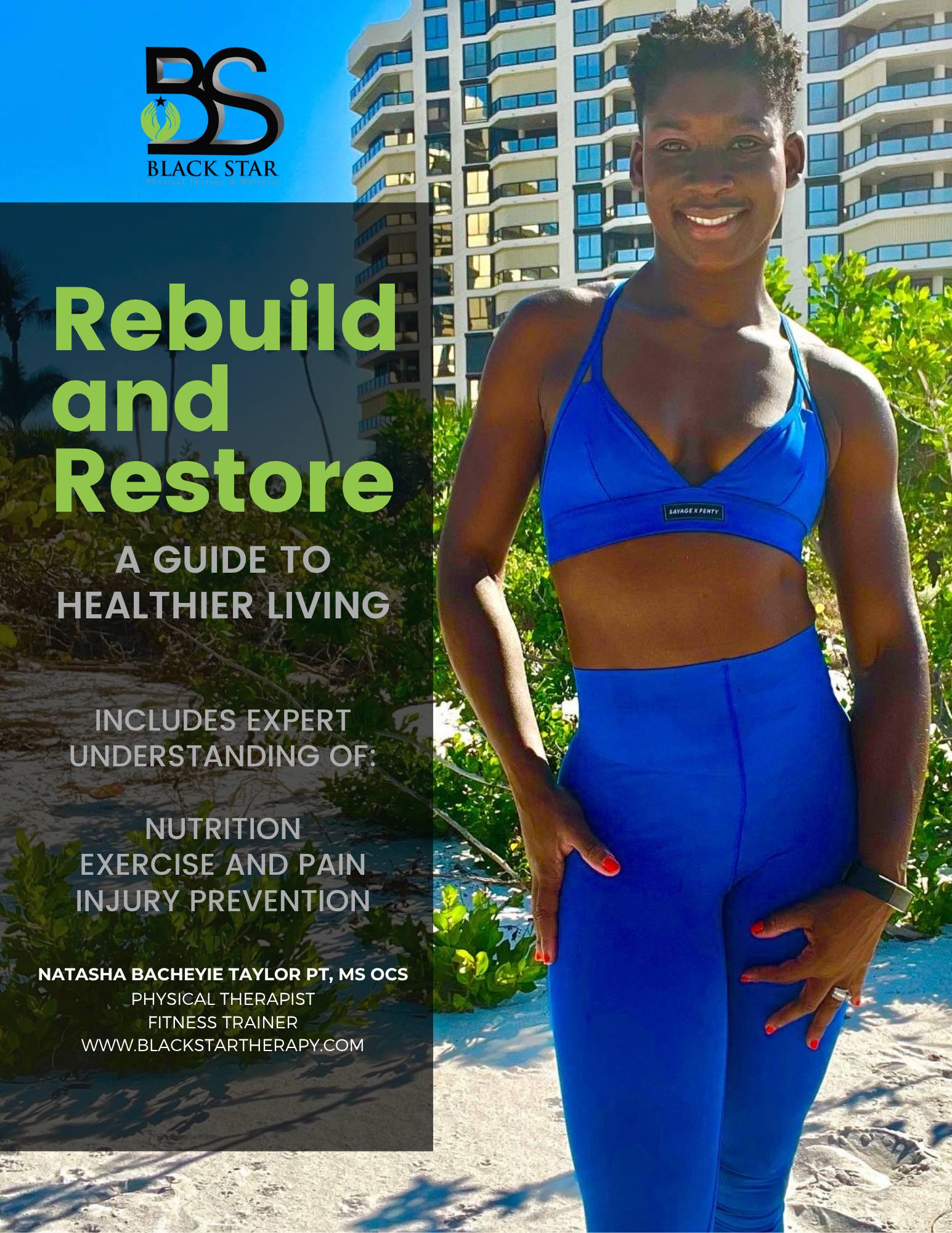
And if you’re looking for a gentle place to start today, my e-book Rebuild & Restore is always available. It’s a simple, easy-to-follow guide that explains the why and the how behind feeling better—covering movement, recovery, anti-inflammatory nutrition, grocery lists, and sample meal plans—all for $19, with a bonus at the end.
✨ Click the link to get your guide instantly delivered to your inbox.
 |
$19.00
Rebuild and Restore: A Guide to Healthier Living
Strong, Supported & Pain-Free
Your Wellness Starter Guide for Women Over 30
Launch Price: $19 Digital Download... Read more |
You don’t have to do everything. You just have to start with what your body needs.
With care,
Natasha
Black Star PT & Wellness
I help busy professional women over 40 with chronic joint pain overcome fear of injury so they can strength train safely, reduce pain, and feel confident in their bodies again.
600 1st Ave, Ste 330 PMB 92768, Seattle, WA 98104-2246
Unsubscribe · Preferences


